Selecting the Correct Pest Exterminator: What You Need to Recognize
Selecting the proper bed bug exterminator is essential for effective pest control. Numerous considerations impact the decision-making process, encompassing expertise and treatment methods. Recognizing the signs of an infestation is the opening step. However, not all exterminators are built equal. Recognizing the essential qualities that separate a competent professional can make a meaningful difference. What should one consider when choosing the right expert for this tough task?
Symptoms of a Bed Bug Problem
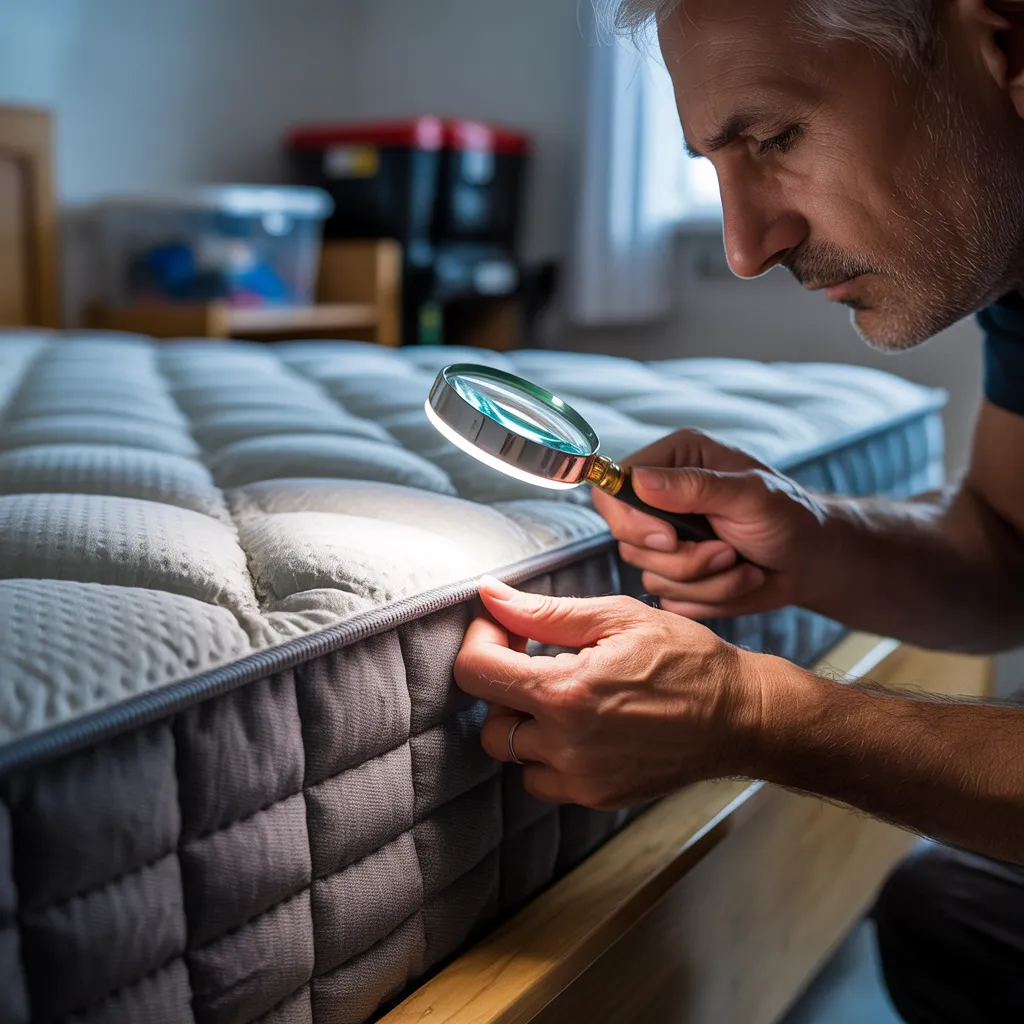
Detecting the signs of a bed bug infestation is crucial for swift response. These pests are infamously hard to find, making timely identification essential. Typical indicators include small, rust-colored marks on bed linens or mattresses, which are often the result of squashed bugs. Additionally, black spots of feces may be found on areas where bed bugs conceal, such as seams of mattresses, bed frames, and furniture.
Yet another clear sign is the presence of discarded exoskeletons, as bed bugs molt multiple times during their life cycle. Individuals may also suffer from mysterious bite marks, usually showing up in clusters or lines on uncovered areas. These bites can produce irritation and soreness, prompting further investigation. Overall, recognizing these signs can help residents take immediate action, reducing the chance of a bigger outbreak and guaranteeing a more successful approach. Knowledge of these symptoms is the first step in managing bed bug issues effectively.
Why a Professional Exterminator is Necessary for Your Home
When handling a bed bug outbreak, engaging a professional pest control specialist is vital for successful elimination. Their proficiency in pest control provides a full comprehension of the situation and the best solutions for resolution. Moreover, pest control professionals implement protective treatment methods that reduce risks to both occupants and the natural surroundings.
Experience In Pest Control
A knowledgeable pest control professional brings invaluable skills to the table when dealing with bed bug invasions. Their training equips them with an comprehension of bed bug habits, life cycles, and proven eradication methods. Experts are skilled at identifying signs of invasions that may go unnoticed by untrained individuals. They also have access to advanced tools and treatments that are not available to the general public, ensuring a more comprehensive approach. Additionally, expert exterminators can evaluate the extent of the infestation and recommend tailored strategies, minimizing the risk of recurrence. By utilizing their expertise, homeowners can save time, decrease stress, and achieve lasting results, making a professional exterminator an essential partner in the battle against bed bugs.
Protected Treatment Alternatives
Ensuring well-being during bedbug treatments is key, with professional exterminators experienced to carry out productive and secure methods. They employ Integrated Pest Management (IPM) techniques, designed for minimizing risks to humans and pets while effectively eradicating infestations. Professional exterminators possess advanced tools and products unavailable to the general public, enabling targeted applications that reduce chemical exposure. In addition, they know about the bed bug life cycle, ensuring treatments are precisely timed and performed for greatest efficiency. Homeowners who trust professionals can avoid the risks linked to DIY methods, which may result in incomplete eradication or chemical hazards. Ultimately, safe treatment solutions provide peace of mind and a pest-free home.
Important Features of a Skilled Bed Bug Exterminator
Choosing an effective bed bug service provider is based on several significant characteristics that facilitate effective pest management. First, a thorough understanding of bed bug biology and patterns is necessary, enabling the exterminator to assess infestations accurately and construct targeted treatment plans. Knowledge within the field stands as another essential quality; skilled professionals generally possess familiarity with numerous treatment methods and can modify to specific scenarios.
Moreover, a dedication to using secure and environmentally friendly methods demonstrates responsibility and concern for clients’ well-being. Strong communication skills are important as well, allowing the exterminator to explain procedures clearly and address client concerns effectively. Finally, a trustworthy exterminator should have positive reviews and testimonials, reflecting their reliability and efficacy. Collectively, these qualities ensure that the exterminator can manage bed bug infestations effectively, providing peace of mind to homeowners faced with this difficult pest problem.
Important Questions You Should Ask Your Pest Management Specialist?
What essential questions should homeowners ask to their pest control specialist when handling a bed bug infestation? First, ask about the company's expertise specifically with bedbugs. Understanding their history can offer assurance in their capabilities. Next, homeowners should ask about the techniques they plan to use for treatment, guaranteeing they are secure for both people and pets. It is also crucial to discuss the duration of the pest control procedure and what property owners can anticipate at each phase. Homeowners should request information about follow-up visits and warranties to confirm complete elimination. Moreover, asking about any required steps before pest control can help simplify the process. Finally, property owners should determine the overall price and any possible extra charges. By addressing these questions, property owners can reach well-informed choices and select an exterminator who fulfills their specific needs for effectively tackling bedbug infestations.
Top Bed Bug Control Strategies
Numerous effective bed bug approaches exist, each accommodating different infestation levels and homeowner preferences. Heat treatment is a preferred solution, involving increasing temperatures of infested areas to a lethal level for bed bugs, confirming thorough elimination without chemical exposure. Chemical treatments, including insecticides, can also be useful, often requiring multiple applications to attain desired results.
An alternative method is suctioning, which can be applied to physically remove bed bugs from mattresses, carpets, and crevices. Following up with steam cleaning can boost effectiveness, as intense heat kill bugs and their eggs on contact.
Some property owners consider diatomaceous earth, an organic dust that dries out bed bugs upon contact. Integrated pest management combines various strategies for a holistic approach, emphasizing prevention and monitoring. Choosing the right method relies on the extent of the problem and individual choices regarding chemicals and environmental concerns.
Learning About Bed Bug Pest Control Costs
Learning about the fees linked to bed bug removal involves numerous key factors. These include the exact methods employed, the frequency of required visits, and the degree of the pest issue. By examining these elements, homeowners can more accurately estimate their monetary to quality pest management.
Factors Impacting Price
Figuring out the cost of bed bug treatment involves numerous important factors that can greatly shape the final price. The magnitude of the infestation is paramount; extensive or advanced infestations typically require thorough treatments. The size of the location requiring treatment also serves an significant role, as spacious areas will result in higher costs. Geographic location can affect pricing, with urban areas often having higher rates due to strong demand. Additionally, the approach of extermination methods applied—such as heat treatment versus chemical solutions—can differ in cost. Ultimately, the background and reputation of the exterminator can also impact the price, as more established professionals may charge premium rates for their services.
Comparing Treatment Approaches
The preference of treatment technique markedly impacts the overall cost of bed bug removal. Typical approaches include pesticide sprays, heat treatments, and fumigation. Pesticide sprays are commonly more inexpensive but may require several rounds, increasing long-term expenses. Heat treatments, while usually more pricey upfront, can effectively eliminate all life stages in a one procedure, potentially reducing follow-up costs. Gaseous fumigation is the most complete option but carries the highest price tag, as it mandates abandoning the premises and involves technical apparatus. The selection of a treatment technique should factor in not only direct costs but also effectiveness and likelihood for return infestation, ultimately shaping the complete spending for the homeowner.
Extermination Frequency
Treatment frequency is vital to computing the total expenditure involved in bed bug removal. Scheduled treatments could prove essential, notably in major infestations, which can significantly elevate financial outlays. In most cases, a lone treatment proves insufficient; several visits are commonly needed to accomplish full eradication. The span between treatments typically extends from two weeks to a month, contingent upon the degree of infestation and the strategies implemented. Property owners must also evaluate the chance of re-infestation, which may call for additional services. As such, grasping the treatment frequency can enable people to budget prudently and engage pest control companies that furnish transparent and detailed payment options for their offerings.|How frequently you need extermination greatly affects the monetary commitments connected with bed bug mitigation. Scheduled sessions are often vital, primarily when substantial outbreaks, which can sharply increase spending. Practically speaking, a lone appointment seldom proves adequate; various sessions are usually necessary to accomplish thorough elimination. The timeframe between services generally covers from two weeks to a month, influenced by the degree of the infestation and the methods chosen. Residents should consider the risk of recurrence, which could call for extra treatments. With this in mind, learning the regularity needed assists residents allocate funds and select professionals offering transparent and thorough pricing arrangements for services rendered.|How regularly pest elimination happens proves essential to assessing the total outlay revolving around bed bug intervention. Regular sessions could be crucial, especially in cases of widespread problems, which may noticeably increase charges. In most situations, a single treatment proves inadequate; numerous visits prove usually obligatory to achieve full elimination. The time separating treatments customarily lasts from two weeks to a month, contingent on the severity level and the techniques deployed. Homeowners must also weigh the risk of re-infestation, which could require supplementary sessions. Therefore, grasping the regularity of pest control allows individuals to plan spending and hire exterminators that offer clear and meticulous payment schemes for services provided.
How to maintain a pest-Free Home
While many property owners breathe a sigh of relief after successfully eradicating bed bugs, preserving a bed bug-free home requires continuous monitoring and preventive measures. Frequent checks of sleeping areas, furnishings, and luggage are crucial to catch any possible recurrences early. Homeowners should also invest in protective mattress encasements to stop bed bugs from reaching their beds.
Decluttering living spaces cuts down on hiding spots, while often vacuuming, particularly in small gaps and crevices, helps get rid of any stray bugs or eggs. Maintaining cleanliness by washing bedding and linens in hot water weekly further reduces the risk of reinfestation.
Additionally, being cautious when traveling—inspecting hotel rooms and keeping luggage off the floor—can prevent bringing bed bugs home. By employing these preventative measures, homeowners can preserve their bed bug-free status and ensure a tranquil, pleasant living environment.
Frequently Requested Questions
What duration Should You Expect for Bed Bug pest elimination?
The pest control elimination procedure typically requires 1 to 3 treatments over several weeks. Factors such as infestation level, approach to treatment, and size of the property can affect the overall length and success rate of the procedure.
Will Bed Bugs Last Through Cold Temperatures?
Bed bugs are able to endure cold temperatures, especially if temperatures are above freezing. Nevertheless, prolonged exposure to severe freezing conditions, under 0°F (-18°C), can effectively kill them, as long as the contact lasts sufficiently long.
Bedbugs - can they become resistant to specific pesticides?
Yes, bed bugs may build tolerance to specific insecticides as time progresses. This immunity complicates eradication bed bug treatment Bethesda MD efforts, necessitating the use of various approaches and treatments to successfully control and eradicate infestations.
Will I Be Required to Leave My Home During Treatment?
Throughout treatment, it is commonly suggested to abandon your home to ensure safety and effectiveness. Exterminators may propose a brief displacement, usually lasting a few days to several hours, according to the methods used.
How Can I Stop Future Infestations After Treatment?
To stop future infestations, one should routinely examine beds and items, plug openings, decrease disorder, and maintain cleanliness. Additionally, wrapping mattresses and setting detection devices can successfully ward off bed bugs from coming back.
Comments on “Compare termite control”